Excelling at Construction Project Management: Key Strategies for Success
Mastering construction project management requires recognizing key principles and implementing effective strategies. Thriving projects require clear communication and strong team collaboration. Additionally, the right tools can boost efficiency and control. With multiple elements at play, including financial planning and risk mitigation, project managers must navigate challenges carefully. Exploring these essential strategies reveals how to deliver exceptional results while maintaining stakeholder confidence. Which targeted methods can elevate a project from standard to outstanding?
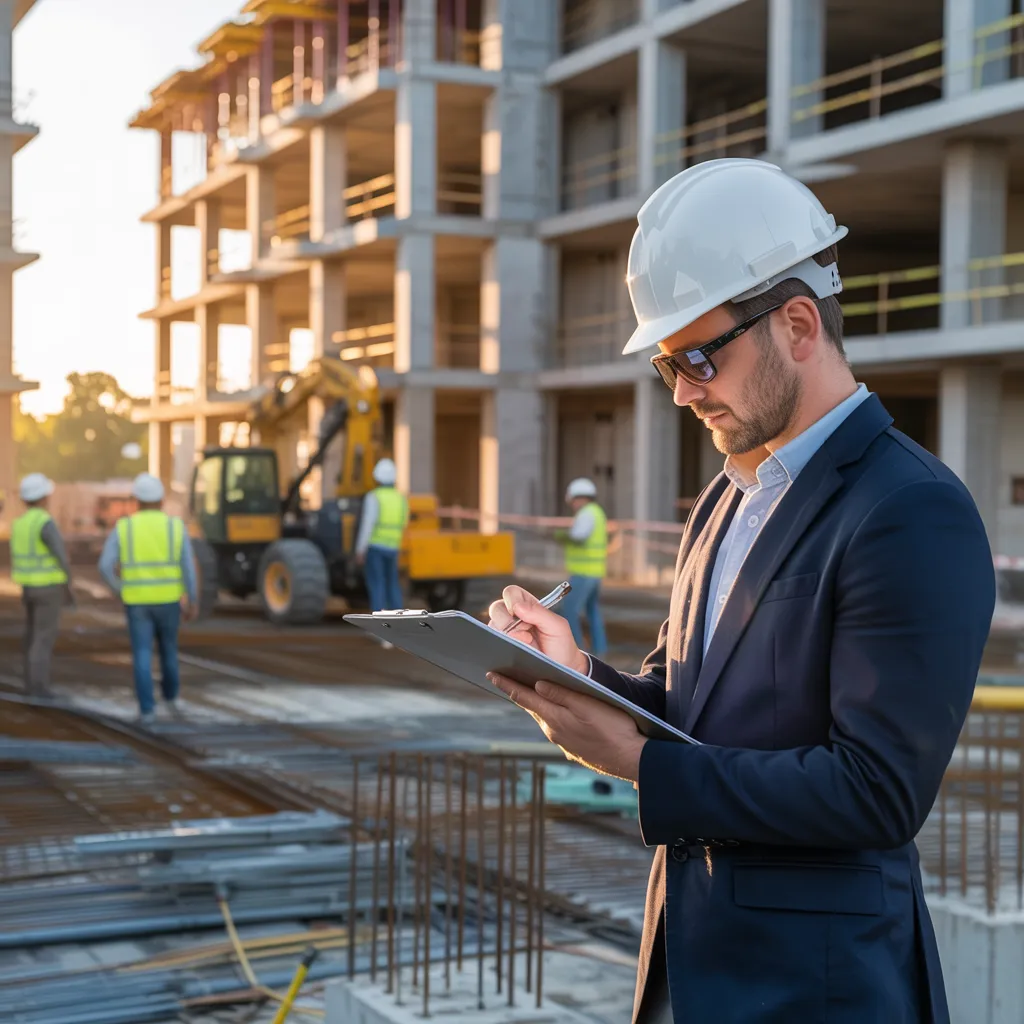
Key Principles of Construction Project Management
Efficient construction project management is built upon various core principles that drive effective outcomes. Starting with the most important aspect, open communication is fundamental; it guarantees all stakeholders are aligned on project goals, timelines, and responsibilities. Second, thorough planning and precise scheduling are indispensable, facilitating the recognition of possible challenges and the strategic assignment of resources. Third, prudent budgeting regulates spending and ensures the project stays within its fiscal constraints, consequently eliminating budget excesses that could disrupt momentum. Fourth, risk management requires identifying potential issues and formulating approaches to minimize their impact, guaranteeing more efficient and stable operations. Lastly, consistent oversight and assessment of progress facilitate prompt corrective actions, cultivating a culture of accountability and clarity throughout every stage of the project. By embracing these core practices, construction managers can enhance efficiency and guarantee that projects are delivered on time, within scope, and to the required quality standards, ultimately contributing to the overall success of construction endeavors.
Fostering a Collaborative Team Culture
Cultivating a cohesive team environment is essential for effective construction project management. Key elements such as open communication channels, trust, accountability, and team-building activities considerably boost team dynamics. By emphasizing these elements, project managers can create an environment supportive of collaboration and efficiency.
Accessible Communication Pathways
Effective communication channels function as the backbone of an inclusive team dynamic in managing construction projects. They facilitate the seamless exchange of ideas, guaranteeing that every team member remains on track with the project's objectives and deadlines. By promoting transparent communication, project leaders can tackle challenges efficiently, enabling more efficient problem-solving and decision-making. Consistent updates and check-ins build transparency, empowering team members to communicate progress and difficulties freely. Moreover, making use of diverse communication methods—including emails, digital project tools, and in-person discussions—enhances accessibility and engagement. Ultimately, fostering an environment where team members feel comfortable voicing their thoughts not only builds stronger bonds but also propels project achievements by leveraging varied viewpoints and professional knowledge.
Reliability and Transparency
Trust and accountability serve as the cornerstone of a thriving team-oriented culture in the realm of construction project management. When team members have confidence in each other, they are more likely to share ideas, voice concerns, and support each other in achieving project goals. Accountability requires that individuals assume responsibility for the decisions and actions they make, cultivating a culture of ownership among team members. This dynamic encourages proactive problem-solving and helps mitigate conflicts, as team members are comfortable voicing their perspectives. Defining clear responsibilities and expectations strengthens trust and accountability even more, empowering the team to work more productively. At its core, a culture grounded in these ideals not only enhances team collaboration but also produces improved project outcomes, laying the groundwork for long-term success.
Team Building Activities
Although clear communication is vital for every team, engaging in well-planned team-building activities can greatly enhance collaboration within a construction project management team. Such activities build trust, strengthen interpersonal connections, and eliminate hierarchical obstacles that may impede productivity. Through engaging in activities that promote problem-solving and innovation, team members discover how to utilize each other's capabilities, resulting in better project results. Moreover, team-building programs can raise morale and strengthen motivation, establishing a more harmonious work environment. Regularly scheduled activities, whether on-site or off-site, can reinforce the importance of teamwork and shared goals. Ultimately, investing in team-building contributes to a culture of collaboration, greatly impacting the success of construction projects.
Essential Tools for Construction Project Management
Effective construction project management relies heavily on a variety of essential tools crafted to optimize operations and foster collaboration. Of these tools, project management software distinguishes itself, offering features like scheduling, resource allocation, and task tracking. Such platforms facilitate real-time communication among team members, keeping all stakeholders synchronized with project objectives.
Collaboration tools, comprising cloud storage and document management solutions, allow straightforward access to project materials, minimizing the chances of miscommunication. Moreover, building management software tools offer mobile accessibility, permitting on-location crews to log updates and communicate issues instantly.
Additionally, cost forecasting is supported by budgeting and estimation software, which is vital for upholding financial management. Building Information Modeling (BIM) tools also play an important role, enabling teams to view projects in three dimensions, boosting design reliability and limiting inaccuracies. Combined, these resources create a solid framework for efficient construction project management, delivering positive project results.
Managing Risks and Budgets Effectively
Overseeing risks and budgets in construction projects is critical for maintaining financial stability and achieving project success. Proper risk management entails pinpointing potential uncertainties that might influence timelines, costs, or quality. This requires a proactive approach, including thorough assessments and the establishment of contingency plans. By foreseeing risks, project managers can minimize their impact, thus protecting the project's goals.
At the same time, maintaining a disciplined budget is essential. This encompasses constant monitoring of expenditures and resource distributions. Employing predictive methods can aid in linked article forecasting fiscal demands and adapt strategies as needed. Routine assessments of risks and financial plans allow for prompt action, guaranteeing that initiatives stay aligned and within fiscal boundaries. Ultimately, the combination of financial oversight and risk management cultivates a resilient project environment, enabling teams to navigate challenges effectively and reach their targets.
Essential Budgeting Methods for Controlling Costs
Proven budgeting methods are vital for sustaining cost control in construction projects. Reliable cost estimation forms the basis for financial planning, while ongoing expense monitoring guarantees that any deviations are promptly addressed. Together, these strategies help project managers maintain financial discipline throughout the project's lifecycle.
Accurate Cost Estimation
Accurate cost estimation is a cornerstone of successful construction project management, impacting budget distribution and resource planning. The approach encompasses a comprehensive review of all project components, such as labor, materials, equipment, and overhead expenses. Through the application of methods such as historical data analysis, expert judgment, and parametric estimating, project managers can develop reliable estimates that reflect real-world conditions. Furthermore, including contingency provisions for unexpected expenses strengthens the overall budget framework. Utilizing software tools can streamline the estimation process, improving accuracy and reducing human error. In the end, accurate cost estimations empower stakeholders to reach well-informed decisions, synchronize expectations, and ensure financial resources are distributed effectively, consequently fostering project success and lowering the risk of exceeding budget limits.
Ongoing Expense Monitoring
Monitoring continuous costs is vital for maintaining budget integrity in construction endeavors. Sound budgeting practices include systematic review of costs against the original budget. This approach empowers project leaders to identify discrepancies early, facilitating swift corrective measures. Leveraging technology solutions can simplify this procedure, delivering up-to-date information on cost trends. Additionally, creating a contingency fund helps unanticipated expenditures without disrupting the overall budget. Consistent budget evaluations with key stakeholders ensure transparency and coordinate expectations. By fostering a culture of cost awareness among staff members, organizations can enhance accountability and promote proactive decision-making. Ultimately, regular expenditure tracking acts as a critical pillar for achieving project success, preventing budget overruns and improving overall fiscal performance.
Evaluating Success: KPIs for Project Assessment
Assessing achievement in the field of construction project management is contingent upon the implementation of key performance indicators (KPIs) that supply actionable intelligence regarding the progress and results of a project. These measures operate as fundamental yardsticks, permitting project managers to measure efficiency, quality, and stakeholder contentment. Common KPIs include the cost performance index (CPI), schedule performance index (SPI), and project completion percentage.
By reviewing these indicators on a consistent basis, teams can identify areas needing improvement and utilize data-driven insights to enhance performance. Furthermore, KPIs connected to workforce productivity and safety incidents contribute to a holistic view of the health of the project.
Setting clear KPIs at the project's outset ensures stakeholder alignment and offers a framework for oversight. Periodically assessing these indicators fosters a forward-thinking strategy, empowering teams to adjust their approaches as difficulties surface. Overall, efficient KPI tracking is vital for attaining project targets and securing successful outcomes in the construction management field.
Questions We Often Receive
What Are the Best Ways to Improve Stakeholder Communication During a Project?
To optimize interactions with project stakeholders within a project, it is essential to implement scheduled updates, employ straightforward and precise messaging, employ various communication tools, and consistently solicit feedback to cultivate participation and clarity at every point in the project timeline.
What Certifications Are Beneficial for Construction Project Managers?
Valuable certifications for construction project managers encompass PMP, CCM, and AC designations. Such credentials strengthen competencies, credibility, and career advancement, ensuring effective project execution and stakeholder satisfaction throughout the construction process.
How Do I Handle Conflicts Within the Project Team?
To handle disagreements within the team members, one should promote honest conversation, carefully consider all points of view, lead conversations to determine shared objectives, and inspire collaborative problem-solving to reach shared positive outcomes.
What Are the Most Effective Best Practices for Vendor Selection?
Best practices for vendor selection include reviewing competencies, checking references, analyzing pricing structures, evaluating prior performance, verifying consistency with project requirements, and promoting transparent communication. Comprehensive due diligence reduces risks and improves project outcomes.
How Does Technology Strengthen Construction Project Management?
Technology revolutionizes construction project management by enhancing information sharing, elevating the accuracy of data, supporting real-time collaboration, and automating key processes. This integration leads to improved efficiency, cost reductions, and better decision-making during every phase of the project.